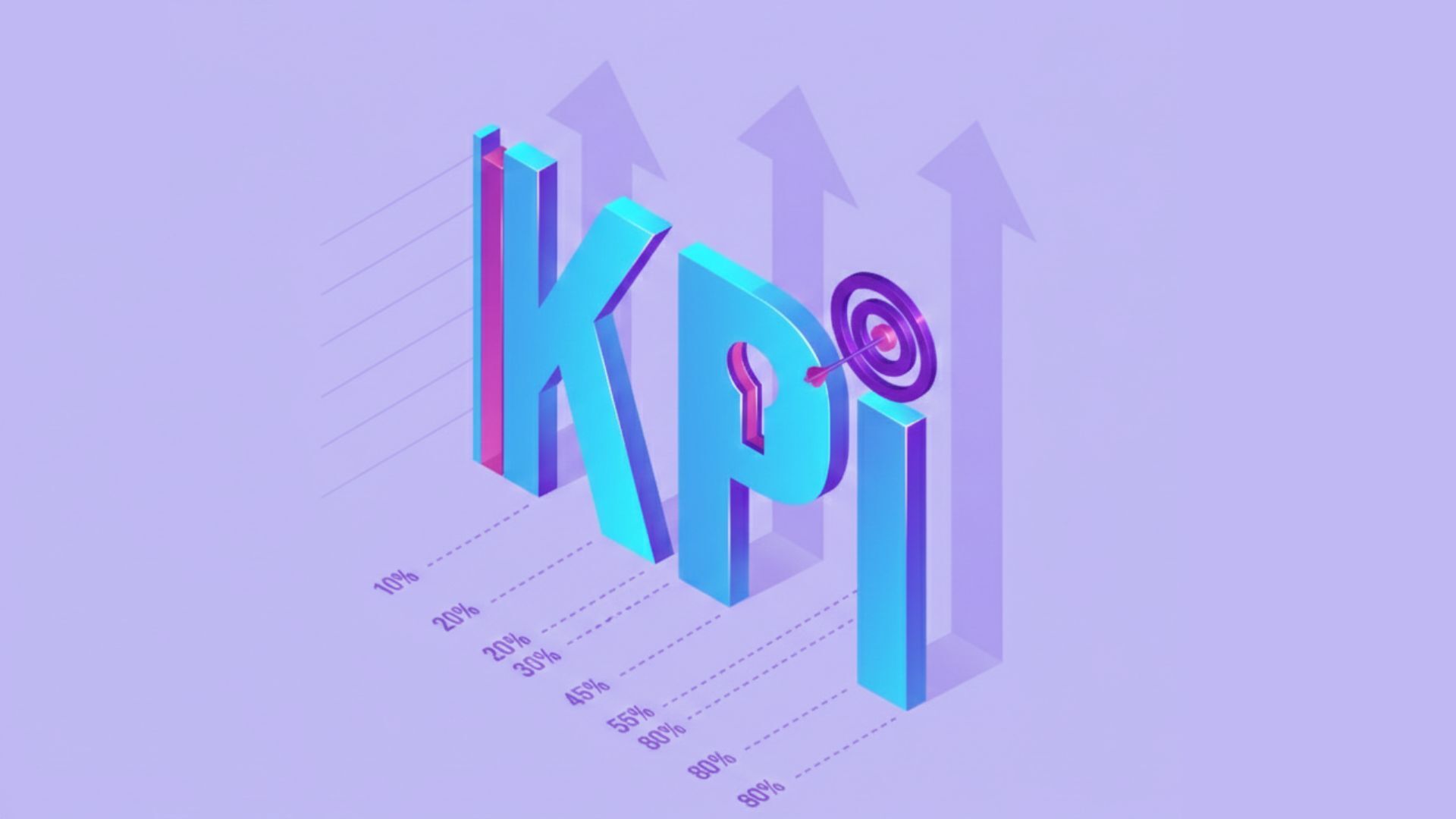
Advanced KPIs for smart factories: measuring the future of production
In the era of the connected industry, data has become the most valuable asset for making operational decisions.
Posts by:
In the era of the connected industry, data has become the most valuable asset for making operational decisions.
Robotic process automation (RPA) is today one of the main levers of digital transformation for companies of all sizes.
The new web accessibility regulation is no longer a recommendation: it is a legal obligation in Europe and Spain. From June 2025, private companies and public bodies must ensure that their websites, apps and digital services are accessible to all people, including those with visual, hearing, motor or cognitive disabilities.
The chemical industry is facing a decisive decade. With the arrival of 2026, the sector will undergo a transformation marked by digitalization, intelligent automation and increasingly demanding regulatory compliance.
Industry is experiencing a new phase of the industrial revolution. After years of advances focused on automation, data and efficiency, manufacturing companies are now facing a paradigm shift: Industry 5.0. This new model does not replace Industry 4.0, but rather extends it, incorporating a more human, sustainable and resilient approach.
Digital strategy has become a critical pillar for industrial companies that want to remain competitive. However, in many organizations, digital transformation remains at the theoretical level.
The manufacturing industry is at an inflection point. As we approach 2026, technologies such as artificial intelligence, advanced automation, etc. are redefining how we produce, innovate and compete.
In today's industry, every minute of production counts, so anticipating failures is more cost-effective than reacting to them.
In the era of Industry 4.0, manufacturing companies face the challenge of producing more, better and with fewer resources. To achieve this, process simulation and digital twin technologies have become key allies.
In the context of Industry 4.0, repetitive manufacturing vs. flexible production has become one of the most relevant comparisons to define the production strategy of modern factories.
We answer questions and discuss everything you need, with no obligation.