.png?width=501&height=92&name=Overtel%20Logo%20Postivo%20(7).png "Logo Corporativo Overtel Technology System S.L.")
Industry is experiencing a new phase of the industrial revolution. After years of advances focused on automation, data and efficiency, manufacturing companies are now facing a paradigm shift: Industry 5.0. This new model does not replace Industry 4.0, but rather extends it, incorporating a more human, sustainable and resilient approach.
Table of contents:
- What is Industry 5.0 and how does it differ from Industry 4.0?
- Key technologies enabling Industry 5.0
- The role of the MES system in the transition to Industry 5.0
- Benefits of Industry 5.0 for companies
- How to prepare for Industry 5.0
In this context, the smart factory ceases to be just a highly automated environment and becomes an ecosystem where people, machines and digital systems collaborate intelligently. The key to making this transition possible lies in the digital transformation of production processes and, especially, in the role of MES systems, which act as the operational brain of the plant.
What is Industry 5.0, and how does it differ from Industry 4.0?
From automation to collaboration
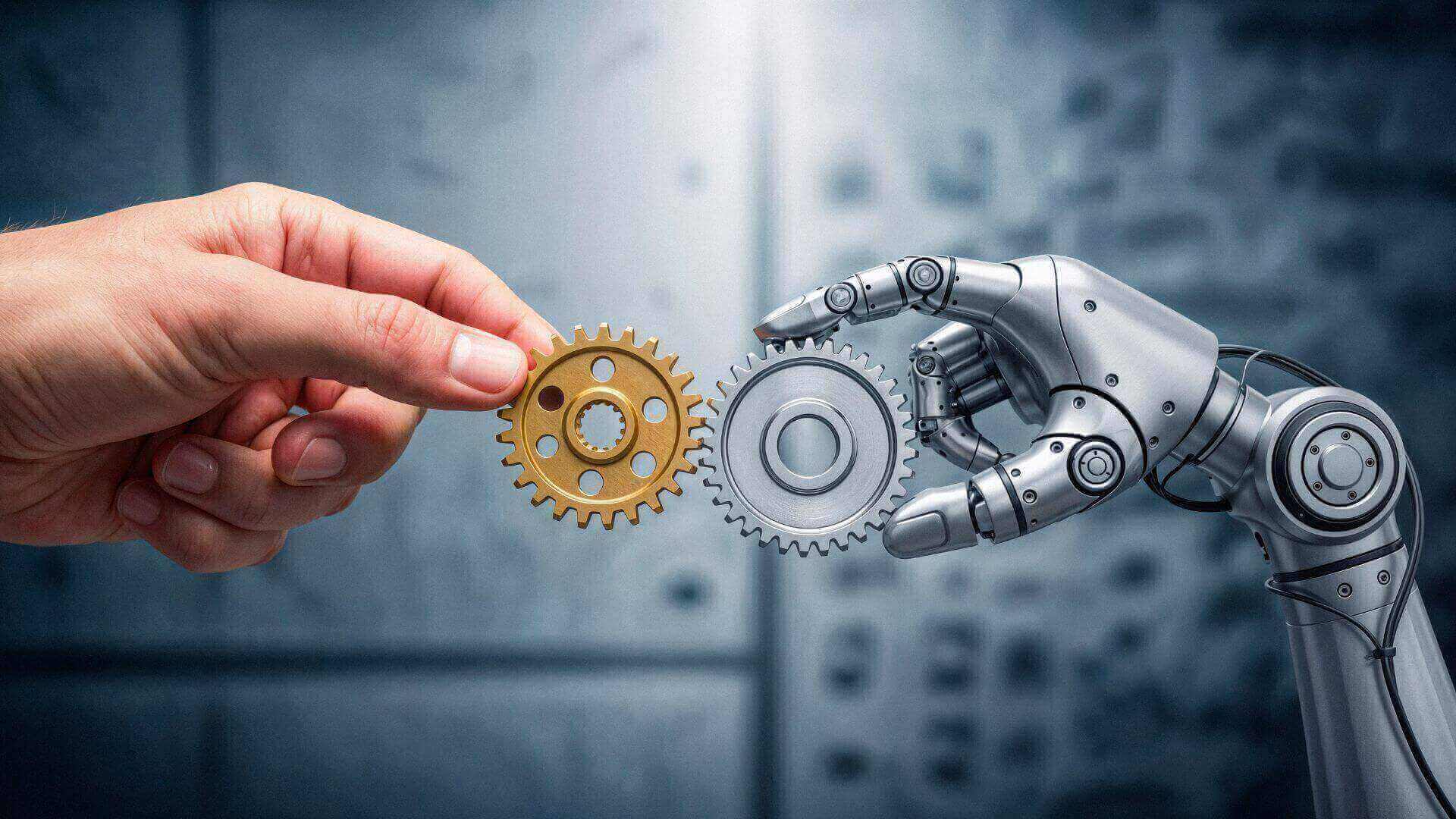
To understand what Industry 5.0 is, it is important to start from its predecessor. Industry 4.0 focused on intelligent automation, connectivity and the massive use of data to optimise production. Industry 5.0 goes a step further: it introduces human-machine collaboration as the backbone, combining the precision of technology with human creativity, expertise and decision-making capacity.
People, sustainability and technology: the three pillars
Industry 5.0 rests on three fundamental pillars:
- People, placing the worker at the centre of the production process.
- Industrial sustainability, seeking energy efficiency, waste reduction and lower environmental impact.
- Technology, as an enabler of more flexible, customised and resilient processes.
Difference between Industry 4.0 and Industry 5.0
The difference between Industry 4.0 and Industry 5.0 lies mainly in the approach. While 4.0 prioritises automation and efficiency, 5.0 adds value through customisation, labour welfare and business resilience. It is not about producing more, but about producing better.
Key technologies that make Industry 5.0 possible
Collaborative artificial intelligence
Industrial artificial intelligence is one of the major drivers of Industry 5.0. Unlike purely automated models, collaborative AI assists operators in making decisions, anticipates problems and proposes improvements in real time.
Collaborative robots and augmented reality
Collaborative robots(cobots) work alongside people, adapting to their pace and reducing occupational risks. Combined with augmented reality technologies, they improve training, maintenance and process quality.
Industrial IoT and total connectivity
Industrial IoT (IIoT) connects machines, sensors and systems, generating key data to optimise production. This connectivity is essential to achieve a truly smart factory.
MES systems as the operational core
In this technology ecosystem, MES systems become the operational core. They are the layer that connects the physical world of the plant with digital systems, facilitating process digitisation and data-driven decision making.
The role of MES in the transition to Industry 5.0
MES systems play a strategic role in the adoption of Industry 5.0 software, as they make it possible to integrate people, data and machines in a single, coherent environment.
Integration with IoT, SCADA and ERP
A modern MES integrates natively with ERP systems, SCADA platforms and IIoT solutions, eliminating information silos and ensuring a unified view of production.
Real-time predictive analytics and traceability
Thanks to advanced analytics, the MES offers full traceability, real-time control and predictive capabilities that improve operational efficiency and reduce waste.
Overtel case: MES INEXION
INEXION, developed by Overtel, is an example of how an MES system can drive the transition to Industry 5.0. Designed for efficient and sustainable digitisation, INEXION connects processes, people and technology, facilitating a progressive transformation aligned with business objectives.
Benefits of Industry 5.0 for companies
- Personalised and flexible production: Industry 5.0 enables progress towards customisation in manufacturing, adapting products and processes to customer needs without losing efficiency.
- Energy efficiency and sustainability: The combination of real-time data and intelligent automation drives industrial sustainability, optimising energy consumption and reducing environmental impact.
- Data-driven decisions and continuous improvement: Access to reliable and contextualised information improves decision-making and fosters a culture of continuous improvement.
- Talent retention and workplace well-being: By putting people at the centre, Industry 5.0 improves the worker experience, facilitates talent retention and strengthens business resilience.
How to prepare for Industry 5.0
- Digital audit and maturity assessment: The first step is to assess the organisation's 4.0 maturity level and identify areas for improvement.
- Integration of existing data and systems: The digitisation of processes must be supported by the integration of current systems, avoiding ruptures and maximising the value of previous investments.
- Staff training and cultural change: Technology only generates value if people know how to use it. Training and cultural change are essential for a successful transition.
- Progressive investment in MES and AI: Adopting solutions such as MES INEXION allows for progressive movement towards Industry 5.0, combining intelligent automation, data and artificial intelligence.

Industry 5.0 represents a unique opportunity to transform the smart factory into a more humane, sustainable and resilient environment. With INEXION, industrial companies can connect people, processes and data to make the final leap into the new industrial era. Get in touch with us.
.jpg)