Veeam Backup for virtual machines: protection with secure copies
In an increasingly demanding and digitized IT environment, maintaining a robust enterprise data backup and recovery strategy is becoming more and more essential.
.png?width=501&height=92&name=Overtel%20Logo%20Postivo%20(7).png "Logo Corporativo Overtel Technology System S.L.")
Posts by:

In an increasingly demanding and digitized IT environment, maintaining a robust enterprise data backup and recovery strategy is becoming more and more essential.
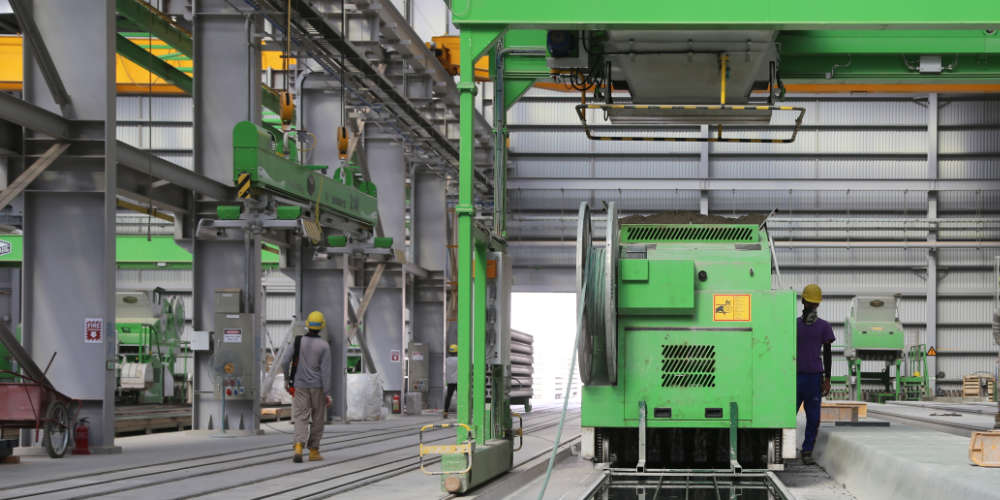
In other posts, we have talked about the OEE system and made available an Excel calculator to perform the calculation, but what is OEE really? The purpose of this post is to answer this question simply and clearly. And also, to know how it measures productivity and what is the best way to calculate it.
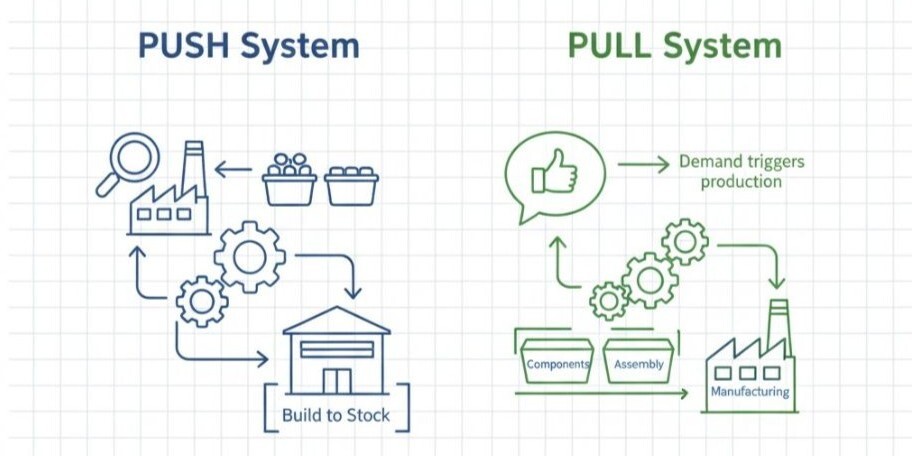
In an increasingly demanding industrial context, where margins are tightening and customers are demanding flexibility, efficiency in production logistics has become a key factor for competitiveness.
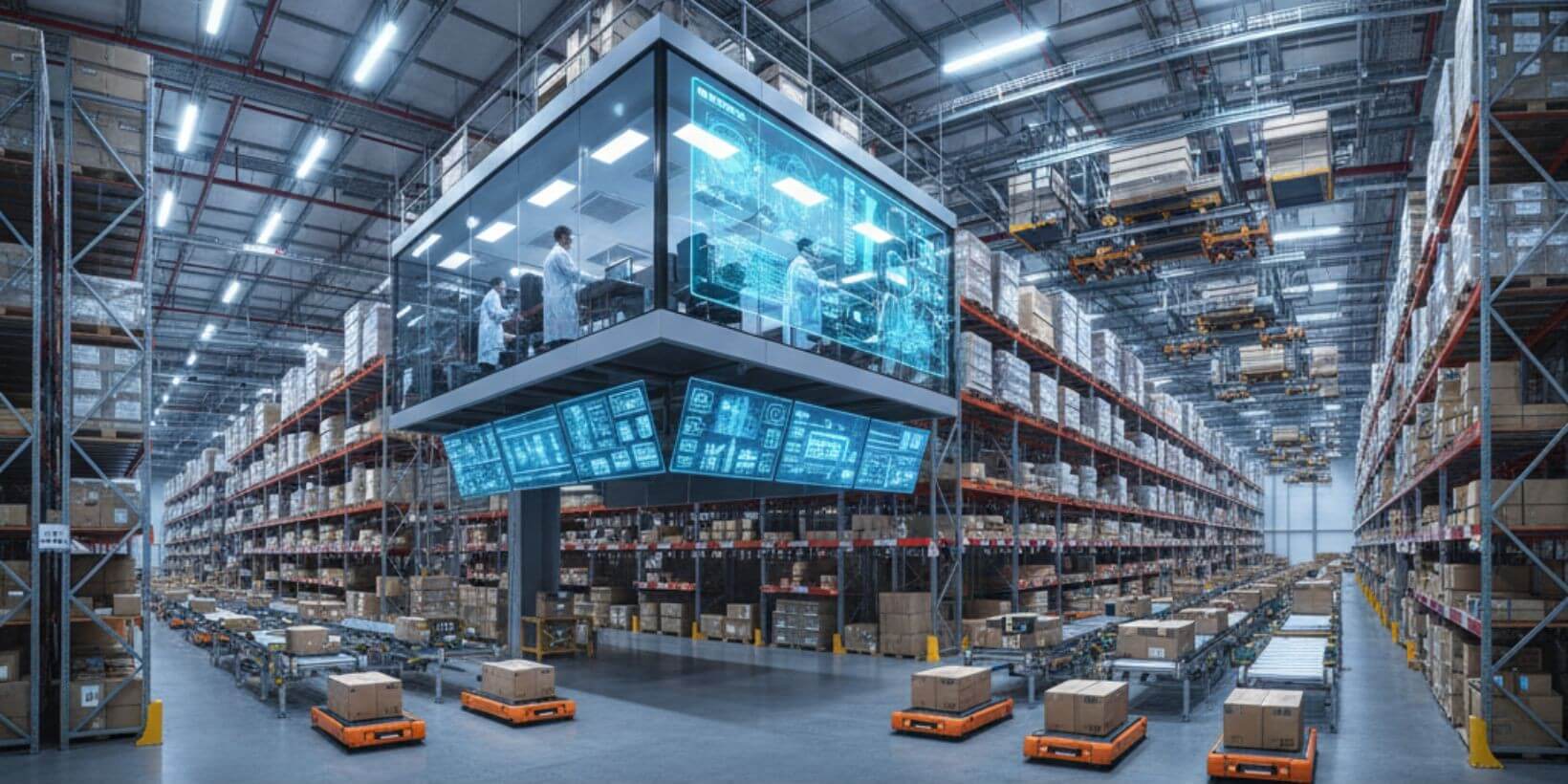
In an industrial landscape where efficiency is the currency, there is a silent but devastating enemy that erodes margins and slows growth: the Hidden Factory.
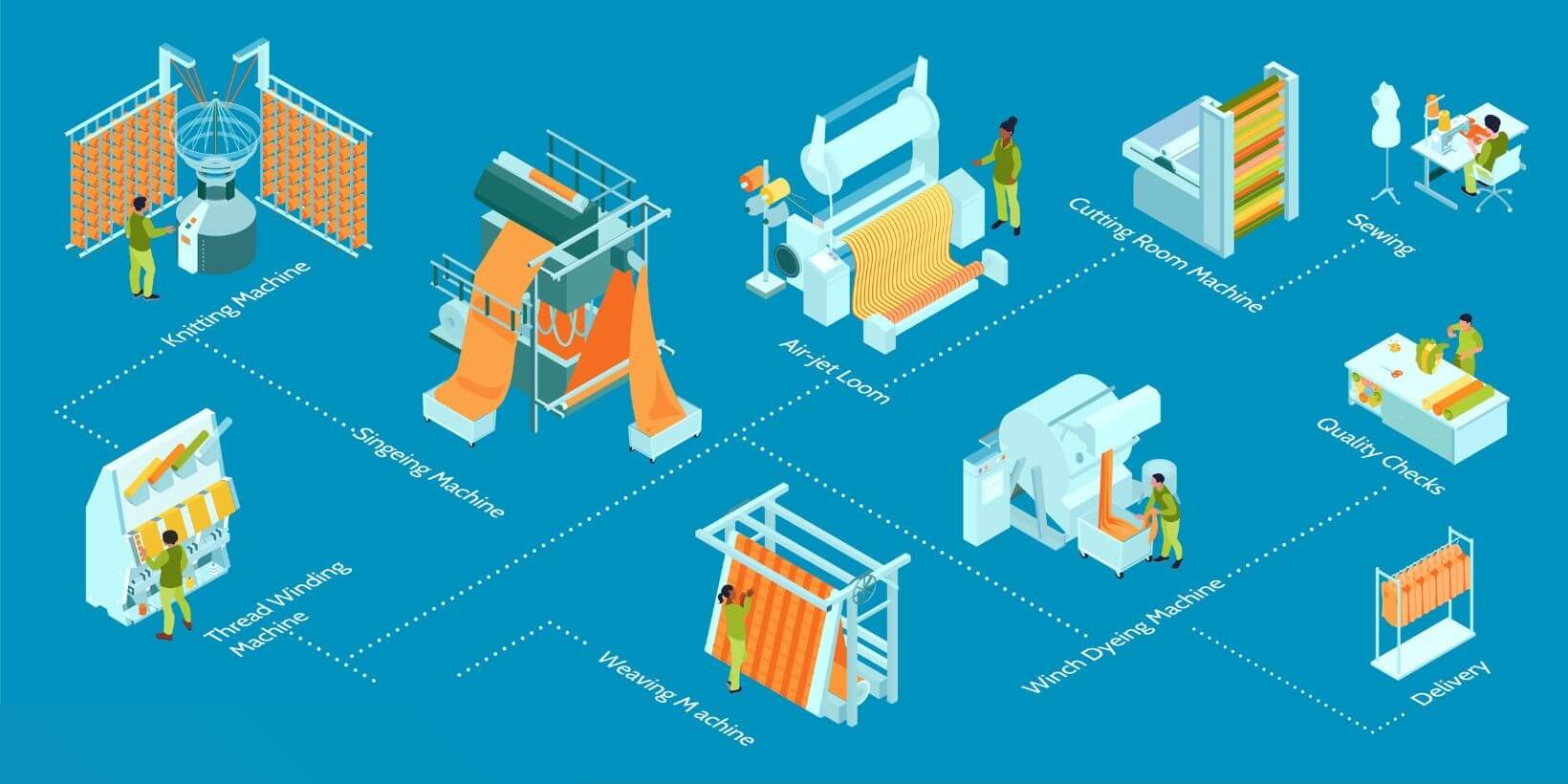
The sustainable textile industry has become a global imperative. Regulatory pressure, consumer demands and sustainability objectives mean that factories must evolve towards more efficient digital models.

Smart packaging is revolutionising the way companies manage traceability in the supply chain, reduce waste and improve the customer experience. Unlike traditional packaging, smart packaging integrates sensors, QR codes, RFID or even blockchain, becoming strategic assets within Industry 4.0.
.jpg)
The textile industry is at a historic crossroads. Globalisation, the rise of textile e-commerce, the pressure of sustainability, and the demands of an increasingly demanding consumer are forcing companies to reinvent themselves. In this scenario, digital transformation in the textile sector is not an option, but a necessary path to remain competitive.

The metal and machinery industry is at a turning point. Global competition, pressure to reduce costs and the need to meet increasingly demanding quality standards have placed digital transformation at the center of many companies' strategies.
.jpg)
The plastics and packaging sector is undergoing a profound transformation. The demands of the circular economy, regulatory pressure and the demand for more conscious customers are pushing companies to rethink their processes.

The textile and fashion industry is undergoing a digital transformation. Consumers demand speed, transparency and sustainability, while companies face challenges such as shorter production cycles, cost control and omnichannel retailing.
.png?width=200&height=187&name=Abrir%20chat%20(ingl%C3%A9s).png "Abrir chat (inglés)")