What is an OPC UA server & how it works in industry
In today's industry, marked by digitalization, automation and the need to make decisions based on real-time data, communication between industrial systems has become a critical factor.
.png?width=501&height=92&name=Overtel%20Logo%20Postivo%20(7).png "Logo Corporativo Overtel Technology System S.L.")
Posts about:

In today's industry, marked by digitalization, automation and the need to make decisions based on real-time data, communication between industrial systems has become a critical factor.
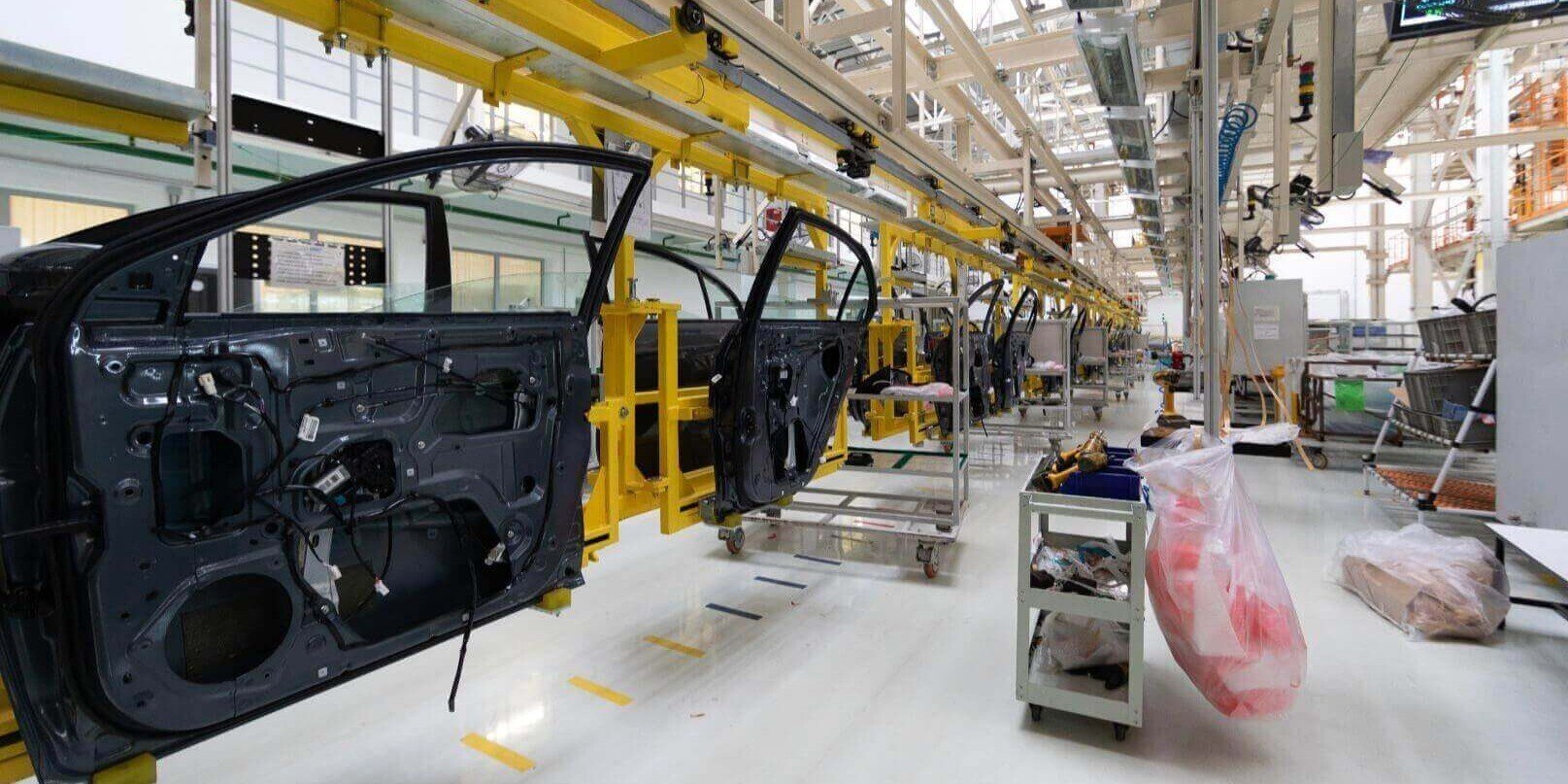
In modern industry, batch production remains an essential pillar for sectors that require flexibility, quality control and operational efficiency. However, today's challenges - such as changeover times, batch-to-batch cleanups and the need for full traceability - demand a more digital, automated and connected approach.

In the era of industrial digitalization, maintenance has become a strategic factor in ensuring operational efficiency and production continuity.
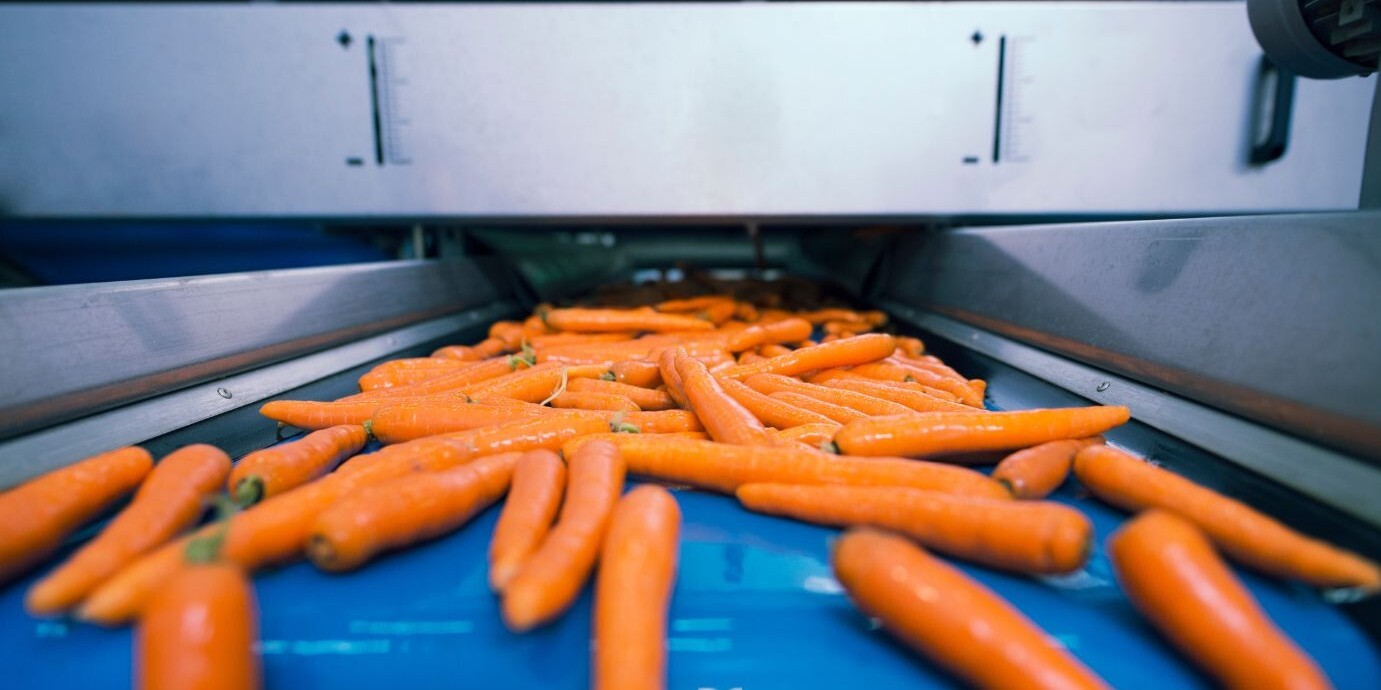
food logistics is undergoing an unprecedented transformation. The pressure to ensure full traceability, optimize energy costs and comply with food safety regulations is pushing companies in the sector to digitize and automate their processes.

Digital transformation is advancing at an unstoppable pace, and companies that want to remain competitive need to optimize their internal processes. In this context, workflow automation (also known as workflows) has become an essential tool to increase efficiency and improve the quality of results.
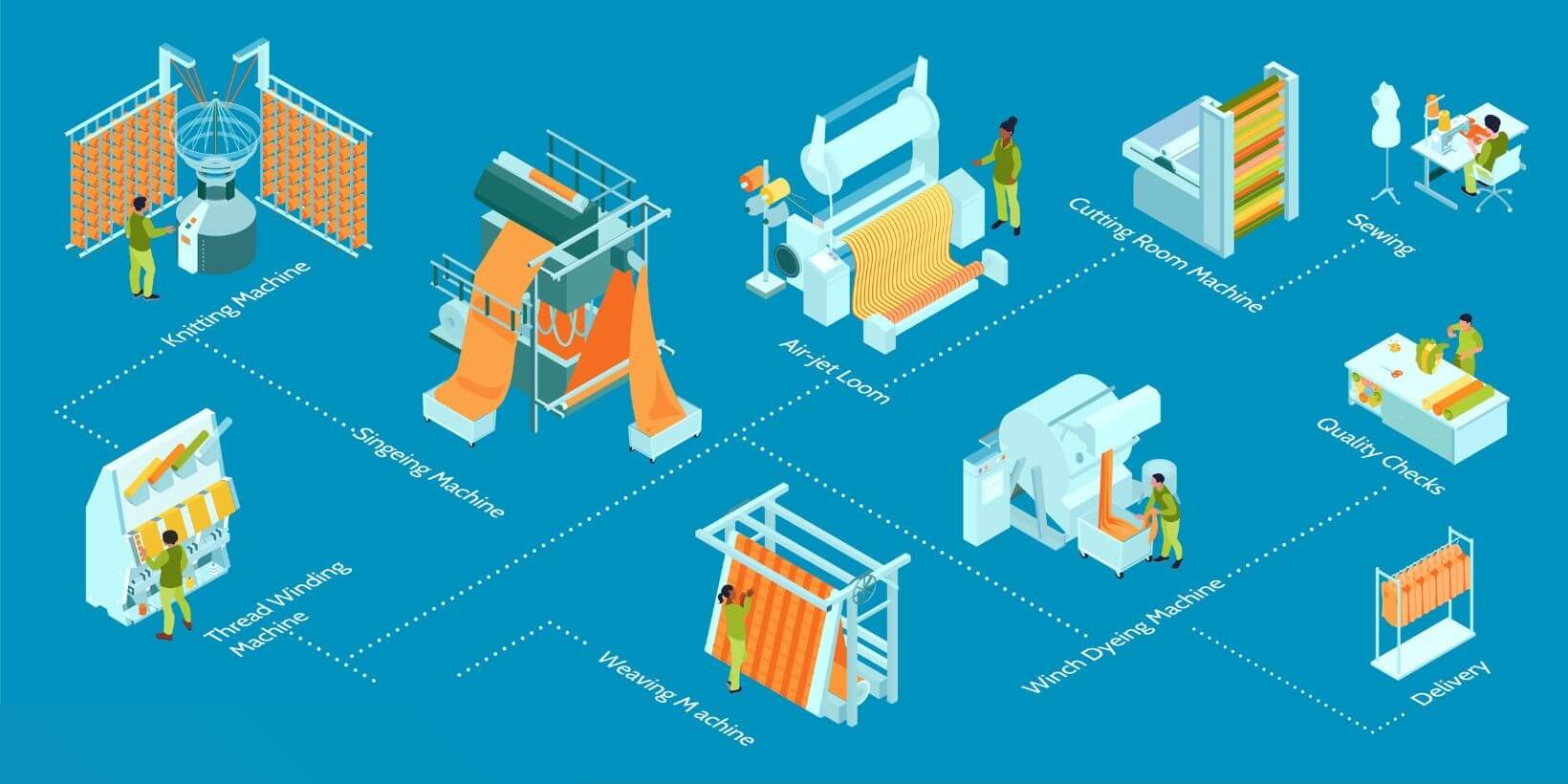
The sustainable textile industry has become a global imperative. Regulatory pressure, consumer demands and sustainability objectives mean that factories must evolve towards more efficient digital models.
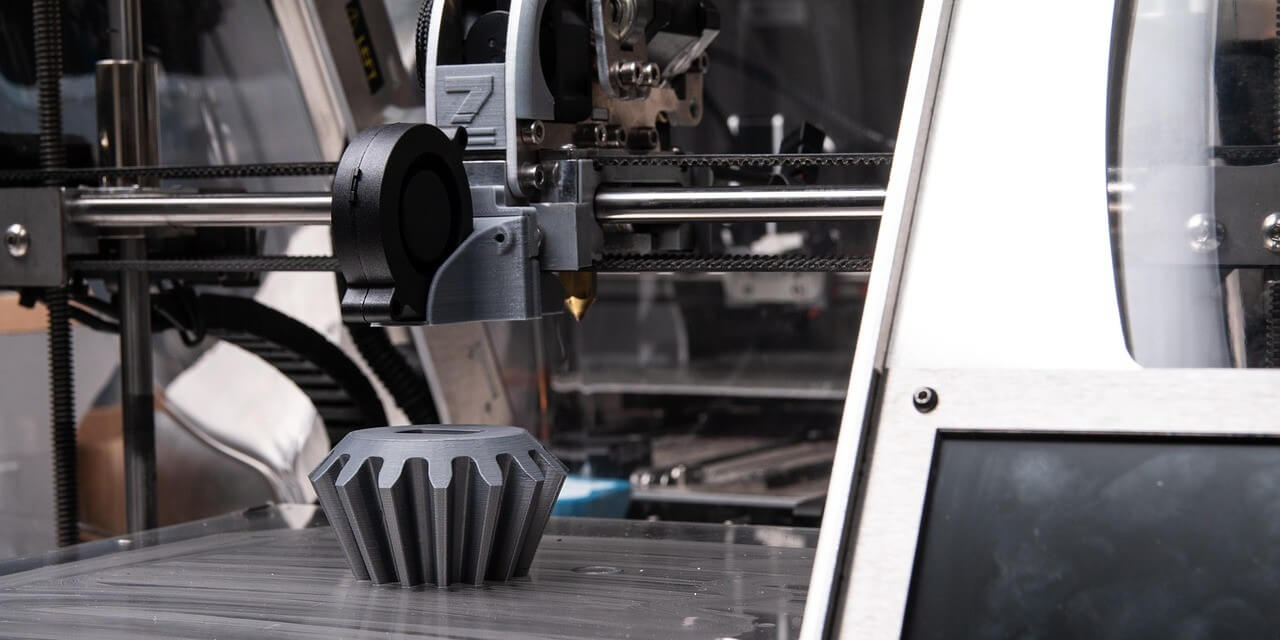
Metal additive manufacturing, better known as metal 3D printing, is transforming the way factories design and produce industrial components. In the era of Industry 4.0, this technology not only enables the creation of complex, customised parts, but, integrated with ERP, MES and cybersecurity, it gives companies full control over costs, traceability and quality.
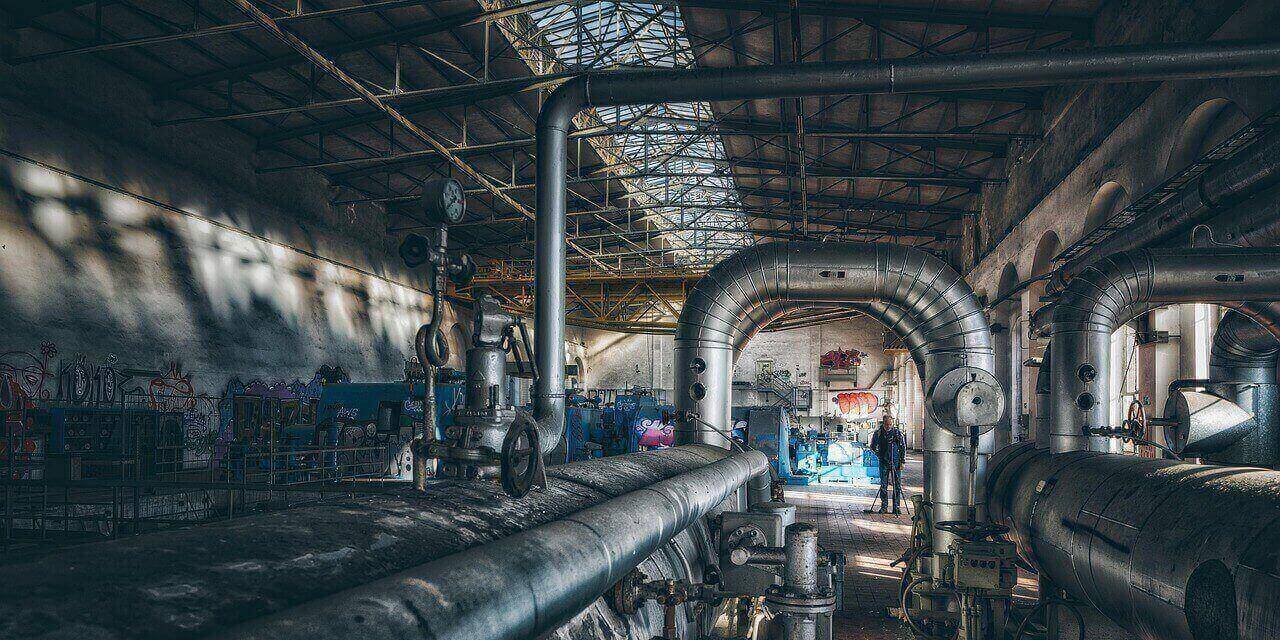
Few words generate as much rejection in a plant as "shrinkage". They are losses. Sometimes visible, sometimes invisible. And although they are taken for granted in day-to-day industrial life, they have a direct and often silent impact on companies' profit margins.
.jpg)
The textile industry is at a historic crossroads. Globalisation, the rise of textile e-commerce, the pressure of sustainability, and the demands of an increasingly demanding consumer are forcing companies to reinvent themselves. In this scenario, digital transformation in the textile sector is not an option, but a necessary path to remain competitive.

The metal and machinery industry is at a turning point. Global competition, pressure to reduce costs and the need to meet increasingly demanding quality standards have placed digital transformation at the center of many companies' strategies.
.png?width=200&height=187&name=Abrir%20chat%20(ingl%C3%A9s).png "Abrir chat (inglés)")