.png?width=501&height=92&name=Overtel%20Logo%20Postivo%20(7).png "Logo Corporativo Overtel Technology System S.L.")
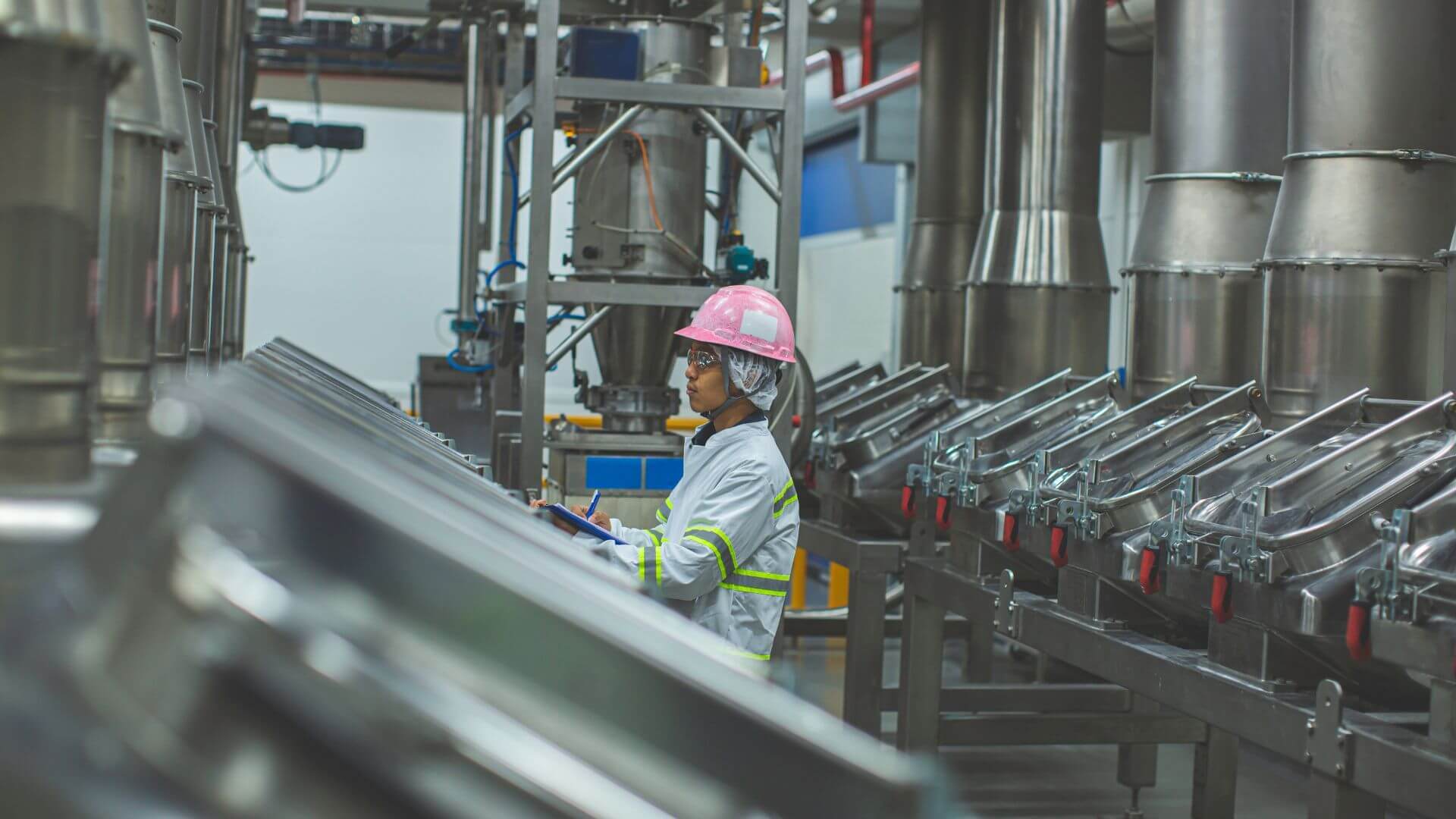
Production planning is a fundamental pillar in the efficient operation of any company. From the definition of production objectives and goals to the integration of technological systems such as an MES system, each step in the planning process is crucial to ensure success and efficiency in production.
Table of contents:
In this article, we will explore in detail the concept of production planning, its importance in today's business environment, as well as the key tools, methodologies and steps for effective planning. In addition, we will discuss the integration of an MES system into the planning process and the benefits it can bring to a company.
What is production planning?
Production planning in a company is the process by which the strategies are established, and the actions necessary to achieve efficient and organised production are defined. It consists of determining the resources required, the production times, the quantities to be produced, and the work methods to be used. The mainobjective of production planning is to optimise processes and guarantee the delivery of products in the required time and quantity.
In practice, this involves:
-
Determining what to produce, how and when.
-
Coordinating flows of materials, people and machines.
-
Ensuring resource availability and minimizing downtime.
Good planning allows synchronizing the entire value chain, from procurement to delivery to the customer, optimizing costs and ensuring smooth and predictable manufacturing.
Importance of production planning
Implementing efficient planning has a direct impact on the company's competitiveness and sustainability. Among its most relevant benefits are the following:
Resource Optimization
It allows the optimisation of available resources, avoiding their underutilization or overutilization and guaranteeing an efficient use of the company's assets. This translates into an adequate allocation of machinery, personnel and raw materials, which maximises productivity and minimises operating costs.
Prevention and Troubleshooting
These problems can range from machinery failures to delays in the delivery of raw materials. By anticipating these potential setbacks, production planning allows for greater efficiency in the company's operation. The reduction of interruption times in production guarantees continuity in the production processes, avoiding loss of time and resources.
Informed Decision Making
Provides accurate and updated data on the status of production, allowing decision makers to make informed and timely decisions. With detailed information on resources needed, production times and quantities to be produced, a more efficient and accurate management of the entire process is achieved.
Meeting Deadlines and Demand
Meeting deadlines and satisfying customer demand efficiently creates a positive experience that strengthens the relationship with the brand. This not only generates loyalty from existing customers, but also increases trust in the company, attracting new customers and consolidating the reputation in the market.
Cost Reduction
By reducing production costs, the company can invest these savings in improving the quality of its products, developing new technologies and training its personnel. This not only increases the company's profitability, but also makes it more competitive in an ever-changing market. By minimizing downtime and optimizing the use of resources, greater operational efficiency is achieved, which translates into an advantage over the competition.
Quality Improvements
Contributes to improved product quality by identifying and correcting potential problems in the production process, ensuring the delivery of high-quality products and exceeding customer expectations. Thistranslates into customer satisfaction and building a solid reputation in the marketplace, which in turn can lead to increased customer loyalty and new customer acquisition.
Methodologies and tools for planning
There are various tools and methodologies that can be used for production planning in a company. Some of the most common are:
Gantt chart
The Gantt Chart is a fundamental tool that allows a clear and detailed visualisation of all the tasks to be performed in the production process. In addition to showing the execution times of each task, it also allows to identify the dependencies between them, which facilitates the coordination and planning of activities. It provides a complete and structured view of the entire production process.
Linear scheduling
Helps optimise the allocation of resources and the scheduling of production activities by allowing an efficient distribution of available resources, ensuring that they are allocated appropriately according to the needs of each stage of the production process. It also facilitates the scheduling of production activities by providing a clear and detailed view of the times and resources required for each task.
Material Requirements Planning (MRP)
Facilitates the accurate planning of inventory levels of raw materials and components required for production, avoiding both shortages and overstocking. This ensures efficient resource management and continuous, uninterrupted production, thus optimising processes and improving the company's profitability.
Kanban
Facilitates visual control of material flow and inventory management by providing a clear and detailed representation of the availability of raw materials and products at each stage of the production process. This enables effective monitoring of inventory levels, identifying potential bottlenecks and making informed decisions to optimise the supply chain. In addition, the Kanban system improves efficiency by setting visual limits that indicate when to replenish or produce new materials, thus ensuring continuous, uninterrupted production.
Just in Time (JIT)
This approach of producing and delivering products just when they are needed, avoiding unnecessary storage, is known as Just in Time (JIT). This methodology seeks not only to optimize resources and reduce costs associated with warehousing, but also to improve production efficiency by minimising lead times and excess inventory. By implementing Just in Time, companies can achieve greater agility in their operations, a faster response to market demands and a significant waste reduction.
These tools and methodologies can be tailored to the specific needs of each company and are fundamental to effective production planning.

Steps to develop an effective production plan
Developing an effective production plan requires following a series of steps to ensure its quality and feasibility. Some of these steps are:
1. Define production objectives and goals 2.
Determine what you want to achieve (higher volume, less waste, better quality). Establish clear and measurable KPIs.
2. Analyse demand and forecast needs
Assess current and future demand through forecasts, orders and market trends. This helps to adjust production capacity to actual needs.
3. Allocate resources
Define machinery, personnel, materials and shifts. Correct allocation avoids overloads and bottlenecks.
4. Establish production times
Calculate standard times per operation, line or batch, considering availability and maintenance.
5. Assign tasks and responsibilities
Each operator or team must know their role and daily objectives. Clarity of roles increases overall efficiency.
6. Establish a monitoring and control system
An MES system allows real-time monitoring of the execution of the plan, detecting deviations and correcting incidents.
7. Make adjustments and improvements
Analyze the results obtained and apply corrective actions. Continuous improvement must be part of the productive culture.
By following these steps, an effective production plan that contributes to the company's success can be developed.
Integration of an MES system in production planning
The integration of a Manufacturing Execution System ( MES ) into production planning is a strategy increasingly used by companies to optimise their production processes. An MES system is software that enables real-time data collection, analysis and visualisation of production activities.
Some benefits of integrating an MES system into production planning are:
Improved Visibility and Control of Production Processes.
By having access to detailed and up-to-date information on the status of production, an MES system allows managers tomake informed decisions quickly and accurately. This complete view of production processes in real time facilitates the identification of possible deviations or problems, which in turn allows corrective measures to be implemented promptly. Improved visibility and control of processes also help to optimise operational efficiency and ensure an effective workflow within the company.
Production Performance Monitoring
By identifying potential problems or bottlenecks in production, an MES system enables managers to take timely and effective corrective action. This ability to continuously and closely monitor production performance not only facilitates the immediate resolution of any issues but also contributes to continuous process improvement.
Product Traceability
Facilitates detailed tracking of products throughout the entire production process, from raw material to finished product. This traceability is essential in highly regulated sectors such as the food and pharmaceutical industry, where product quality and safety are of paramount importance.
Continuous Process Improvement
This constant monitoring of production performance through an MES system not only identifies areas for improvement and optimization but also facilitates the implementation of continuous improvement strategies in production processes.

In short, the integration of an MES system into production planning provides companies with greater efficiency, control and traceability in their production processes.
Production planning is a fundamental aspect for any company seeking to operate efficiently and competitively in today's market. From the definition of objectives and goals to the integration of technologies such as the MES system, each step in the planning process is crucial to the success and efficiency of production.
With the order sequencer module of the MES INEXION system, you will be able to schedule production with the best list of activities to be performed on machines and lines. If you would like to see how this module works in your company, you can book a demo here.
.jpg)
.png)