What is an OPC UA server & how it works in industry
In today's industry, marked by digitalization, automation and the need to make decisions based on real-time data, communication between industrial systems has become a critical factor.
.png?width=501&height=92&name=Overtel%20Logo%20Postivo%20(7).png "Logo Corporativo Overtel Technology System S.L.")
Posts about:

In today's industry, marked by digitalization, automation and the need to make decisions based on real-time data, communication between industrial systems has become a critical factor.
In the era of the connected industry, data has become the most valuable asset for making operational decisions.
Robotic process automation (RPA) is today one of the main levers of digital transformation for companies of all sizes.
Industry is experiencing a new phase of the industrial revolution. After years of advances focused on automation, data and efficiency, manufacturing companies are now facing a paradigm shift: Industry 5.0. This new model does not replace Industry 4.0, but rather extends it, incorporating a more human, sustainable and resilient approach.

Digital strategy has become a critical pillar for industrial companies that want to remain competitive. However, in many organizations, digital transformation remains at the theoretical level.

In today's industry, every minute of production counts, so anticipating failures is more cost-effective than reacting to them.

In the era of Industry 4.0, manufacturing companies face the challenge of producing more, better and with fewer resources. To achieve this, process simulation and digital twin technologies have become key allies.
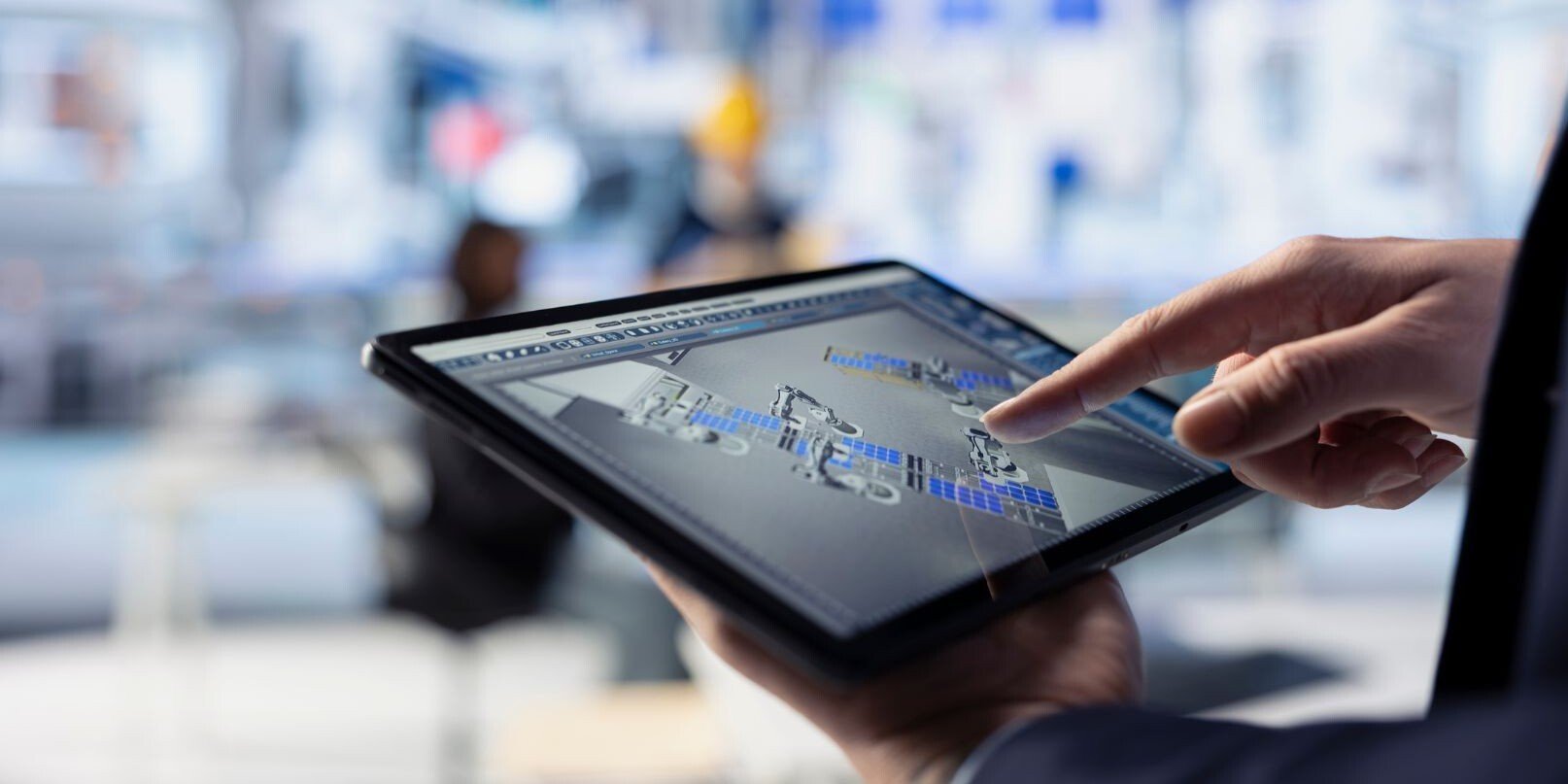
In the context of Industry 4.0, repetitive manufacturing vs. flexible production has become one of the most relevant comparisons to define the production strategy of modern factories.
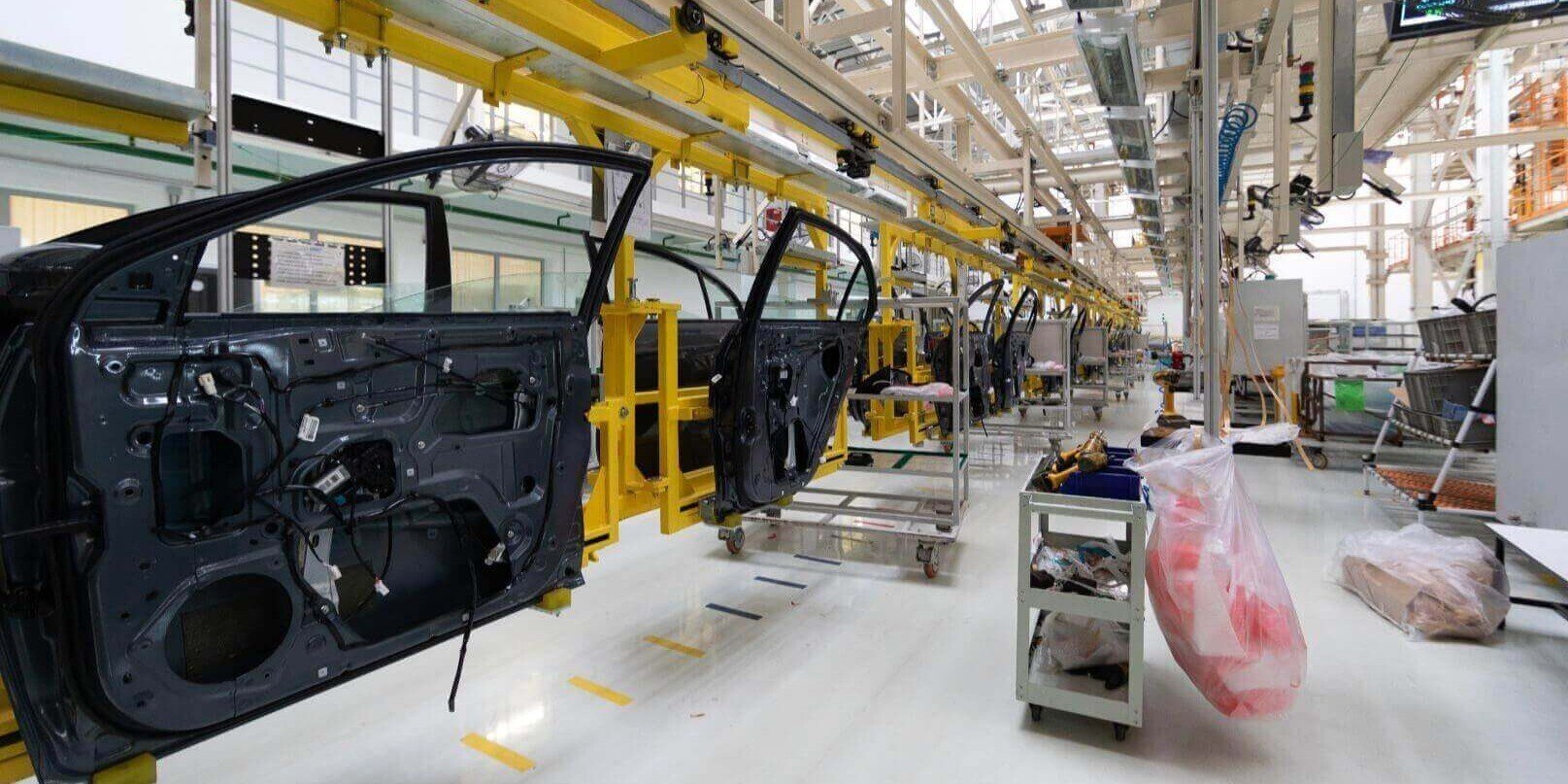
In modern industry, batch production remains an essential pillar for sectors that require flexibility, quality control and operational efficiency. However, today's challenges - such as changeover times, batch-to-batch cleanups and the need for full traceability - demand a more digital, automated and connected approach.
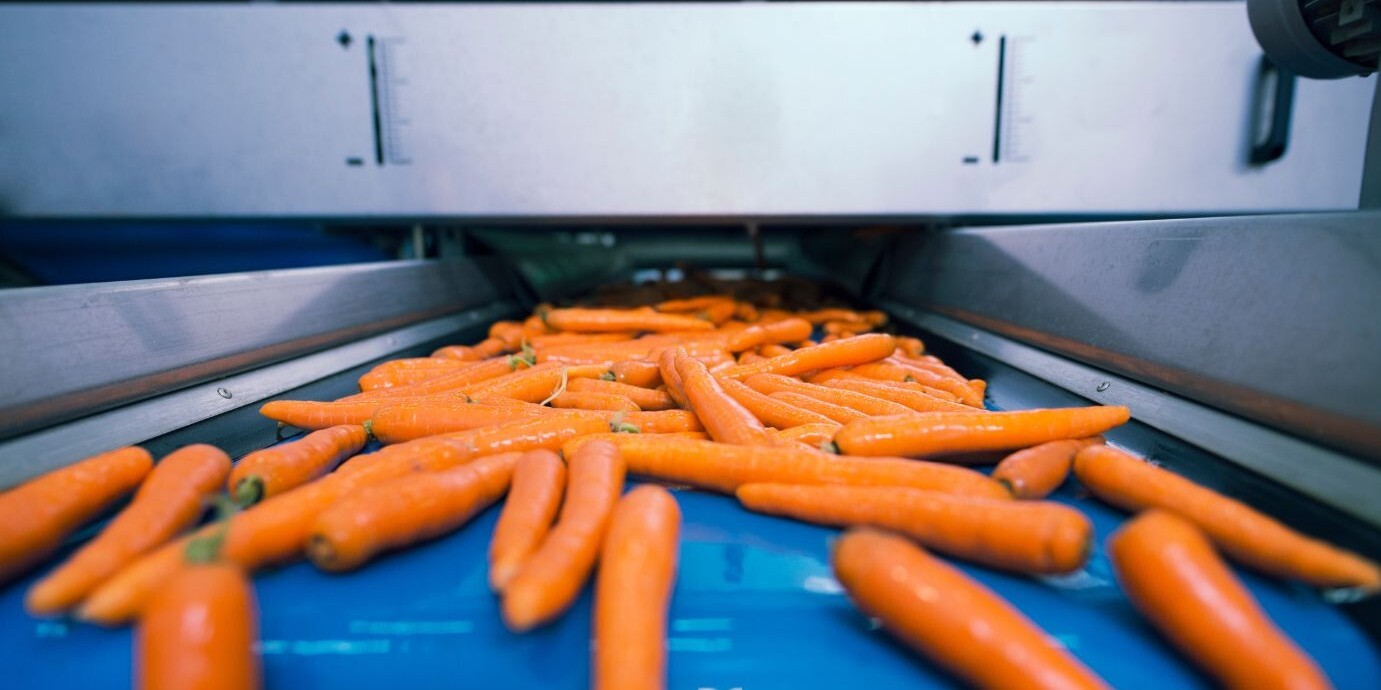
food logistics is undergoing an unprecedented transformation. The pressure to ensure full traceability, optimize energy costs and comply with food safety regulations is pushing companies in the sector to digitize and automate their processes.
.png?width=200&height=187&name=Abrir%20chat%20(ingl%C3%A9s).png "Abrir chat (inglés)")